


Insulation
With more than 75 branches, we are the leading distributor of insulation products in the nation
The Insulation Supplies You Need

Fiberglass Batt Insulation
Budget-friendly acoustical and thermal barrier for attics, ceilings and floors

Fiberglass Blown-In Insulation
Easy to install and flexible, used in attics, wall cavities and mid-floor

Rigid Board Insulation
Effective insulation for roofing, walls, below grade and in flooring

Cellulose Insulation
A fire retardant insulation, used in attics, wall cavities and mid-floor

Mineral Wool Insulation
Fire retardant and acoustical barrier, available in batt, board and blown-in

Metal Building Insulation
Metal building insulation (MBI) comes in a wide range of systems and materials. MBI typically includes an exposed vapor retarder facing the interior of the building.
Featured Manufacturers
 CertainTeed
|
 Johns Manville
|
 Knauf
Knauf
|
 BASF
BASF
|
 Carlisle
|
 Demilec
|
 Rmax
Rmax
|
 Hunter
|
 Atlas
Atlas
|
 ROCKWOOL
|
 Thermafiber
|
 Greenfiber
|
 Applegate
|
 International Cellulose Corporation
|
 TimberHP
|
Discover More

InsulationR-Values
Choose insulation by R-value for your next residential or commercial project. Learn More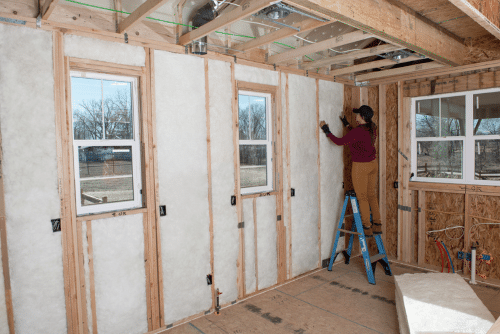
BestSoundProofingInsulation
Install the right insulation material for effective sound reduction. Learn MoreResources (3)
Search All Resources| Document Title And Description | Document Type | Document Label |
|---|---|---|
|
TimberHP Spec Sheet
Learn more about TimberHP’s product specifications |
Tech Specs | |
|
TimberFill Indoor Benefits Flyer
Learn more about TimberFill’s indoor benefits |
Promotional / Brochure | |
|
TimberFill Eco Benefits Flyer
Learn more about TimberFill’s eco benefits |
Promotional / Brochure |


75+ Locations Ready To Serve You
About Insulation
Insulation is used in residential and commercial construction to control moisture, increase energy efficiency, improve comfort and control sound. It is available in a wide range of types for many different applications.
What Is Insulation
Insulation is used by contractors across the U.S. for residential and commercial applications in walls, attics, ceilings, basements and more. It is most popularly used as a thermal barrier to keep the outside elements from coming in, but it is also commonly used as an acoustical barrier between rooms.
We Carry the Insulation Brands You Want
Service Partners is your go-to insulation distributor, where you can find all of the top insulation brands for sale that fit every application, budget and need. We have trusted brands, including CertainTeed, Johns Manville, BASF, Carlisle, Demilec, ROCKWOOL, Greenfiber, Shredz, Knauf and Owens Corning. Your local Service Partners branch team members can help you select the right insulation that we have for sale to fit your project’s needs. Get in touch with your local team today!
Insulation Supplies Near You
Service Partners is the leading insulation distributor of residential insulation products in the U.S. We have over 75 convenient local branches with a large selection of insulation supplies for sale to serve all of our partners’ needs. Find an insulation supplier near you to connect with our knowledgeable team members and get the insulation supplies you need, when you need them. We offer next day delivery and service to keep your project running on time.
Insulation Benefits
Insulation is used in a wide range of applications and construction types, and its benefits include providing thermal and acoustical barriers, as well as reducing energy costs and controlling moisture.
- Thermal Barrier: Most commonly, insulation is the best way to provide a thermal barrier for buildings of all types, helping to prevent outside elements from coming in and damaging construction over time. It can also insulate conditioned spaces from unconditioned spaces, such as attics, basements, or crawl spaces, from main living areas.
- Acoustical Barrier: Insulation is a popular way to soundproof rooms in residential and commercial buildings of all types. It is known for its acoustical barrier qualities that are found in a wide range of insulation types, such as batt fiberglass insulation. It effectively absorbs sound, minimizing unwanted noises from coming through walls and floors.
- Reduce Energy Costs: Insulation is your ally in reducing energy costs in residential and commercial buildings, both monthly costs and extra maintenance costs over time from wear and tear. It helps reduce air from coming in and overworking your HVAC system all year. Insulation keeps the warm air indoors in the winter months, and the cold air indoors in the summer months.
- Moisture Control: Insulation is an effective way to control moisture indoors. It helps to prevent damage and safety issues that result from moisture in the air of your home during everyday activities. Without insulation, moisture can get trapped within walls or building cavities. This moisture leads to mold and mildew build-up and damages buildings of all types, as well as contributing to environmental conditions that can cause health conditions.
- Improves Indoor Air Quality & Comfort: Insulation is one of the best ways to easily control the comfort of the indoors. Whether it is an indoor living space in a home or a work space in a commercial building, insulation is an effective way to maintain a comfortable space, as well as improve and maintain air quality.
Common Insulation Questions
When it comes to insulation, here are some common questions, along with the answers that our Service Partners pros typically provide.
What Is R-Value?
R-value measures how well insulation materials can resist heat. The higher the R-value on the insulation material, the higher the resistance from heat. Different regions of the United States require different R-values and levels of insulation, in order to properly insulate attics, crawl spaces, floors and ceilings in all construction types.
Locate your climate zone to find out the most effective R-value for insulation on your project. The higher the R-value, the more effective it is. (R-value requirements are governed by the Authority Having Jurisdiction (AHJ) in each state or municipality. Please check with your AHJ to determine the correct code for your area.)
Why Insulate?
Insulation provides a number of benefits to residential and commercial construction, including energy efficiency, sound control, moisture control, indoor air quality and comfort. Without insulation, unconditioned areas of a building can affect the efficiency and comfort of conditioned areas. In addition, outdoor elements can come in and cause an HVAC system to overwork, leading to higher energy bills and extra maintenance costs. Indoor moisture can also cause mold build up within walls and flooring, leading to structural damage in construction.
Where to Insulate?
Insulation is effectively used to insulate under-insulated areas, such as attics, basements, crawl spaces, exterior walls, exterior floors, and knee walls in residential and commercial construction. It is commonly used to insulate walls, attics, lofts, ceilings, garages, ducts, plumbing, floors, windows and doors in all construction types.
Popular Links
Featured Articles




Ready to place an order?
Contact Service Partners for all of your building supply needs.


